

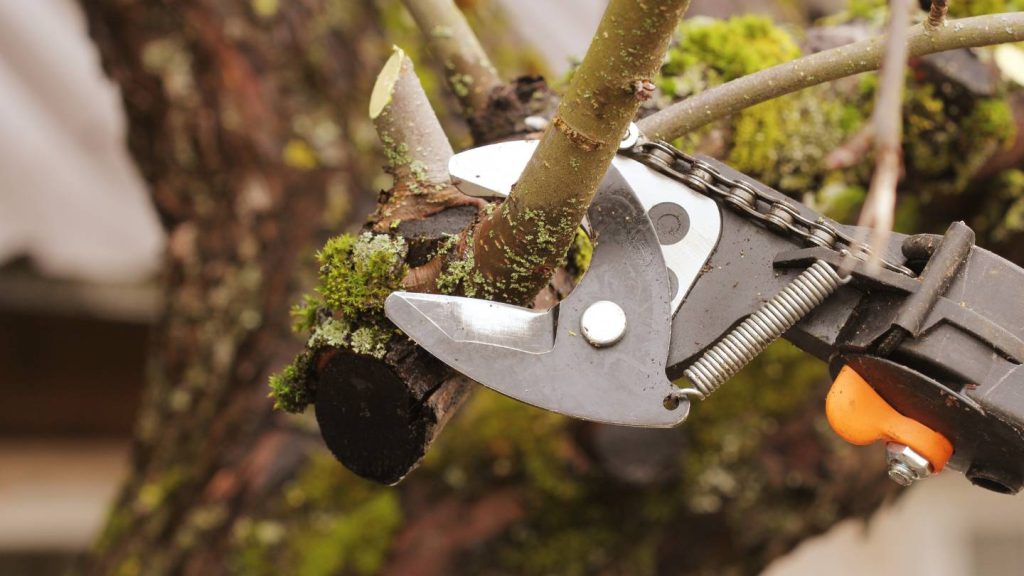
You love your trees, right? They give shade on hot Abbotsford days and make your yard look amazing. So, if a tree looks healthy, why touch it? This is a common question we hear, as many folks believe pruning is just for sick or damaged trees.
But, performing some cut pruning on healthy trees now can save you a lot of headaches later. It keeps them strong and beautiful for years, contributing to a quality tree. Think of it like a regular check-up; pruning healthy trees is important for their long, vibrant life, especially as trees grow and change.
Taking good care of your trees isn’t just about waiting for a problem; it’s about being proactive. We at Limitless Tree Service have seen it all in our 10+ years serving Abbotsford and the wider Fraser Valley. We know that a little care for your healthy trees today can prevent big issues tomorrow, which truly makes a difference.
Why Bother Pruning Healthy Trees? It’s All About Their Future.
It’s easy to look at a leafy, green tree and think it’s doing just fine on its own. “If it isn’t broken, why fix it?” you might wonder. That makes sense for a lot of things in life, but trees are a bit different; they’re living things that keep growing, and sometimes that growth needs a little guidance for the entire tree.
Think of pruning healthy trees as an investment in their future. By making smart pruning cuts now, especially when a young tree is developing, you guide its growth. This helps it develop a strong structure, which is crucial whether you prune tree specimens for aesthetics or function.
A strong tree is a happy tree, one that’s less likely to cause problems down the road. This proactive step means your trees stay beautiful and safe for everyone to enjoy for many years, supporting the health of our urban forest. Pruning trees early in their life sets a foundation for decades of robust health.
Understanding Pruning Cuts and Techniques
Effective pruning hinges on understanding different types of cuts and proper pruning techniques. Knowing where and how to make a pruning cut can significantly impact a tree’s health and structure, making this knowledge vital for anyone looking to prune trees correctly.
The goal of any cut is to remove unwanted growth with minimal damage to the tree. Clean, sharp hand tools are crucial for making precise cuts that heal quickly. Using the correct method is important for safety and tree health for any tree branch, especially a large branch.
The Three-Cut Method for Large Branches
When you need to remove large branches, a single cut can cause the branch to break free unexpectedly, tearing bark down the trunk and causing significant damage. The three-cut method helps prevent this. This technique is fundamental when you need to remove large branches safely.
First, make an undercut about 12-18 inches from the trunk, cutting about a third of the way through the large branch. Second, make a top cut a few inches further out from the undercut; this allows the branch to break free cleanly without tearing. The final cut is made just outside the branch collar to remove the remaining branch stubs.
Types of Pruning Cuts
Different pruning situations call for different types of cuts. Thinning cuts remove an entire branch back to its point of origin on the main stem or a larger branch. Reduction cuts shorten a branch by cutting back to a lateral branch that is at least one-third the diameter of the limb being removed.
These proper pruning techniques help direct growth and maintain the tree’s natural form. Heading cuts, which trim a branch back to a bud or a very small lateral, are generally used less often on mature trees as they can stimulate a burst of often weak, poorly attached shoots. However, they can be useful in shaping young trees or revitalizing old shrubs.
The Importance of the Branch Collar
The branch collar is the area of slight swelling at the base of a branch where it connects to the trunk or a larger limb. This area contains specialized cells that help the tree seal off wounds after a pruning cut. It’s made of stem tissue, not branch tissue.
Always make your final cut just outside the branch collar, angling away from the trunk. Cutting into the branch collar damages these important tissues, making it harder for the tree to heal and increasing the risk of decay or disease. Leaving long branch stubs also hinders healing and can lead to pest issues.
Unlocking a Healthier, Happier Tree: The Nitty-Gritty of Pruning

Pruning is so much more than just a quick trim; it’s a science and an art. When done right, it truly sets your trees up for success. It’s amazing what a few well-placed cuts can do for the overall vitality of your trees and their plant health.
More Light, More Air, More Life
Have you ever walked into a stuffy room and just wanted to open a window? Trees feel that way, too. When branches get too crowded or rub against each other, they block sunlight and air. Proper tree pruning, such as crown thinning, opens things up.
This allows more sunlight to reach inner leaves, boosting photosynthesis – that’s how trees make their food. These carefully chosen cuts remove congestion. Better air flow is also great as it helps keep leaves dry, which can discourage nasty fungal problems, something we see in the damp Fraser Valley climate.
All this extra energy and better conditions mean your tree can grow stronger roots, put out more new, healthy leaves, and help clean our air better by taking in more carbon dioxide, supporting the entire tree system from roots to crown.
Looking Good and Standing Strong: Beauty and Brawn with Pruning Healthy Trees
We all want trees that look great in our yards. Pruning definitely helps with that. You can shape a tree to fit your landscape, making it a real standout feature; this is particularly true for shade trees and ornamental varieties.
A really important reason for pruning healthy trees, especially young trees, is to help them grow a single, strong central trunk. Sometimes, trees try to grow two or more main stems, called co-dominant stems. This creates a weak spot, like a V-shape, where the tree is much more likely to split, especially during storm damage.
A split like that can be devastating for the tree and anything underneath it. Careful pruning also encourages a balanced shape and considers natural growth habits. This helps trees handle strong winds and heavy snow much better, preventing a situation where a branch breaks. It can also prevent a tree from leaning too much in one direction, which can eventually lead to it falling; we’ve helped many homeowners in Abbotsford improve their trees’ structure, making them safer and more resilient.
Bountiful Blooms and Fruit: A Pruner’s Reward
If you have trees that flower or produce fruit, like fruit trees, you’ll love what pruning can do. Healthy trees are always the best producers. Pruning helps keep them in top shape for a great harvest. Think juicier apples or more vibrant cherry blossoms.
Removing dead, damaged, or diseased branches is a big part of this. These problem branches can drain the tree’s energy and be entry points for pests and diseases. By snipping them away, you stop any potential issues from spreading; this includes removing dead wood from the tree.
This lets the tree focus its energy on making beautiful flowers or tasty fruit. Plus, with that increased airflow we talked about, fruit trees are less likely to suffer from common fungal diseases. Fungi love damp, crowded conditions, so opening up the canopy helps keep things drier and healthier, often a goal of cut pruning.
More space between branches also means fruit can grow bigger and ripen more evenly, without being squashed or shaded out by its neighbours. Properly pruning fruit trees often involves specific techniques to encourage fruit production during the growing season. This careful attention is why some people prune annually.
Safety First: Why Pruning Healthy Trees Keeps Your Property Safe
Your family’s safety and your property’s protection are top priorities. Believe it or not, pruning healthy trees plays a big role here. It’s about spotting potential problems before they become actual dangers, which is a part of tree care we take very seriously at Limitless Tree Service.
Clearing Out the Dangers Above
Even a healthy tree can have dead, dying, or weak branches, including dead branches, dead limbs, and broken branches. These branches often come crashing down during a storm, and sometimes, even a little wind is enough to send them tumbling. Imagine one of these landing on your car, your roof, or worse, where your kids play.
Regular pruning lets our professional arborists spot these hazardous limbs. We can be removed safely and carefully, sometimes requiring specific equipment if it involves a large branch. This significantly lowers the risk of unexpected branch failures, especially when a branch breaks free, and gives you peace of mind, knowing your trees are less likely to cause damage or injury.
Taming Branches Near Power Lines: A Critical Task
This one is super important. If you see tree branches growing near or into power lines, you need to act fast. This serious safety hazard can lead to electrocution, fires, or power outages that affect your whole neighbourhood. Don’t ever try to trim these branches yourself; it’s just too dangerous, so call our team.
Utility companies often do trim trees near power lines. But their main goal is just clearance, not the tree’s health or beauty. They might make cuts that aren’t great for the tree’s long-term structure or appearance. If you care about your tree’s appearance and overall well-being, it’s better to have professionals like us handle it.
We know how to prune safely around utilities while still considering the tree and its plant health. If there’s an immediate danger, your first call should be to your utility provider for emergency help. Proper tree care can prevent damage to utility lines.
Pruning Young Trees vs. Mature Trees
The approach to pruning trees varies significantly depending on their age. Pruning young trees, often called formative or structural pruning, is crucial for their long-term health and stability. For mature trees, the focus shifts to maintenance and safety.
Pruning young trees helps establish a strong framework. This involves selecting and encouraging a dominant central leader, maintaining good spacing between main branches, and removing any branches that are crossing or rubbing one another. Early pruning of a young tree can prevent many structural problems that become difficult and costly to fix in mature trees.
Pruning mature trees often involves removing dead or hazardous limbs, thinning the crown for better light and air penetration, and maintaining clearance from structures or power lines. Pruning is less about drastically changing the tree’s shape and more about preserving its health and reducing risk. Both young and mature trees require skill and an understanding of tree biology.
Tools of the Trade for Proper Pruning

Using the right tools makes pruning easier and better for your trees. Sharp hand tools are crucial for making clean pruning cuts that heal quickly. Common tools include hand pruners, loppers, pruning saws, and a pole pruner for higher branches.
Hand pruners are good for small twigs and branches up to about ¾ inch in diameter. Loppers provide more leverage for branches up to 1 ½ inches. For a larger tree branch, a pruning saw is necessary. A pole pruner can help reach branches high off the ground without a ladder.
Always keep your tools sharp and clean them between trees, especially if you suspect disease. This simple step helps prevent the spread of pathogens. Using the correct tool for the branch size also prevents tool damage and makes for a cleaner cut on the tree branch.
Keeping Pests and Diseases at Bay Through Smart Pruning
Nobody wants their beautiful trees to fall victim to nasty pests or diseases. Good news: Regular pruning can be a great preventative measure, like boosting your tree’s immune system. This is especially true here in Abbotsford, where certain conditions can encourage problems.
Dead or decaying branches, including diseased ones, open doors for many tree pests and diseases. Removing them promptly by making a clean cut branch closes off these entry points. If a branch already shows signs of infection, pruning it can stop the problem from spreading to the rest of the tree; it’s like catching a problem early before it gets out of hand.
If you suspect disease, a smart tip is to clean your pruning tools between cuts. A quick wipe with rubbing alcohol or a bleach solution can prevent accidentally spreading issues from one branch or tree to another. Also, keep an eye out for branches that are rubbing against each other. This rubbing creates wounds that can get infected; removing one of the offending branches lets the other heal and thrive. Removing water sprouts, which are vigorous upright shoots, also helps maintain tree health and structure.
The Best Time for the Big Snip: Winter Pruning Benefits
You might wonder when the best time of year is to do major pruning. For many deciduous trees (the ones that lose their leaves), late winter or early spring, before new growth begins, is often perfect. Why this time? Well, once the leaves are gone, it’s much easier to see the tree’s actual branch structure and any dead limbs.
This allows for more precise and effective pruning. Another big plus for winter pruning is that most tree pests and diseases are dormant in the cold. This means when you make a fresh pruning cut, there’s less risk of these unwelcome guests invading the wound. Some trees, like maples or birches, tend to bleed sap heavily if pruned in late winter or early spring as sap flow increases; for these, pruning in mid-summer after leaves are fully developed can reduce sap bleeding.
The tree has a better chance to heal up before these threats become active again in warmer weather. Pruning during the growing season is usually reserved for removing dead, damaged, or diseased wood or for specific objectives like controlling plant size. It just gives your tree a healthier start come springtime.
Pruning Timing & Objectives
| Timing | Primary Objectives | Considerations |
|---|---|---|
| Late Winter / Early Spring (Dormant Season) | Structural pruning, removing dead or diseased wood, and maintaining good branch structure visibility encourage strong spring growth. | Ideal for many deciduous trees. Some trees may bleed sap. Minimal risk of pest/disease entry. |
| Summer (Growing Season) | Pruning fruit trees after fruiting involves removing dead, damaged, or diseased branches, directing growth, improving light/air flow, and controlling size. | Slower wound closure than in a dormant season. Good for trees that bleed sap. Avoid removing more than 25% of foliage. |
| Fall | Generally less ideal for major pruning. Can remove dead or hazardous limbs. | Fungal activity can be high. Slower healing before winter. |
Common Pruning Mistakes to Avoid
While proper pruning provides many benefits, incorrect pruning techniques can harm your trees. One common mistake is “topping,” which involves cutting branches back to stubs or to laterals not large enough to assume the terminal role. Topping creates weak, unsightly regrowth and makes trees more susceptible to pests and decay.
Another error is leaving branch stubs; stubs prevent proper wound closure and can become entry points for disease. Conversely, making a flush cut too close to the trunk, damaging the branch collar, is also detrimental. It’s also important not to remove more than 25% of a tree’s living crown in a single growing season, as over-pruning can stress the tree significantly.
Making a pruning cut at the wrong angle can also lead to problems. Cuts should typically be made at about a 45- to 60-degree angle relative to the branch bark ridge, sloping away from the bud if cutting to a bud (about ¼ inches above an outward-facing bud). Properly pruned trees show thoughtful care.
Saving Your Wallet in the Long Run: The Economics of Tree Pruning
Let’s talk money. You might think hiring professionals to prune your trees is an expense you can skip. But, taking care of your trees with regular pruning can actually save you a good bit of money over time; it’s one of those investments that really pays off.
Think about it. A well-pruned tree, especially one with early pruning attention, is stronger and healthier. It’s less likely to suffer major damage in a storm or have a large branch break unexpectedly. It’s also less prone to diseases that could eventually kill it, which could then necessitate costly tree removal services.
The cost of removing a large, dead, or dangerous tree or repairing storm damage is often much, much higher than the cost of regular maintenance pruning over several years. Preventative care with proper pruning techniques is almost always cheaper than emergency work. Considering the time of year for pruning can also impact costs and effectiveness.
Healthy, beautiful trees can also add value to your property. They improve curb appeal and make your home more attractive. So, when you look at the cost of expert pruning from a trusted company like Limitless Tree Service, remember you’re not just paying for a service; you’re investing in the safety, beauty, and longevity of your valuable trees and how proper care can benefit your landscape. This also supports your property’s overall value.
Why Pruning Your Healthy Trees Matters
Regular pruning is crucial for healthy trees. It improves their appearance, boosts fruit or flower production, and prevents costly damage down the road. Proper pruning strengthens trees, helping them thrive in your Abbotsford landscape. Whether your trees are young and need formative pruning or mature and require maintenance, regular care supports their long-term health and longevity.
At Limitless Tree Service, we’re committed to helping our community care for their trees. With over a decade of experience, we provide expert pruning services tailored to your trees’ needs. Contact us today to give your trees the expert care they deserve, keeping them healthy and beautiful all year.


